Butter Tea Morning Ritual: A Fat-Fueled Start to the Day
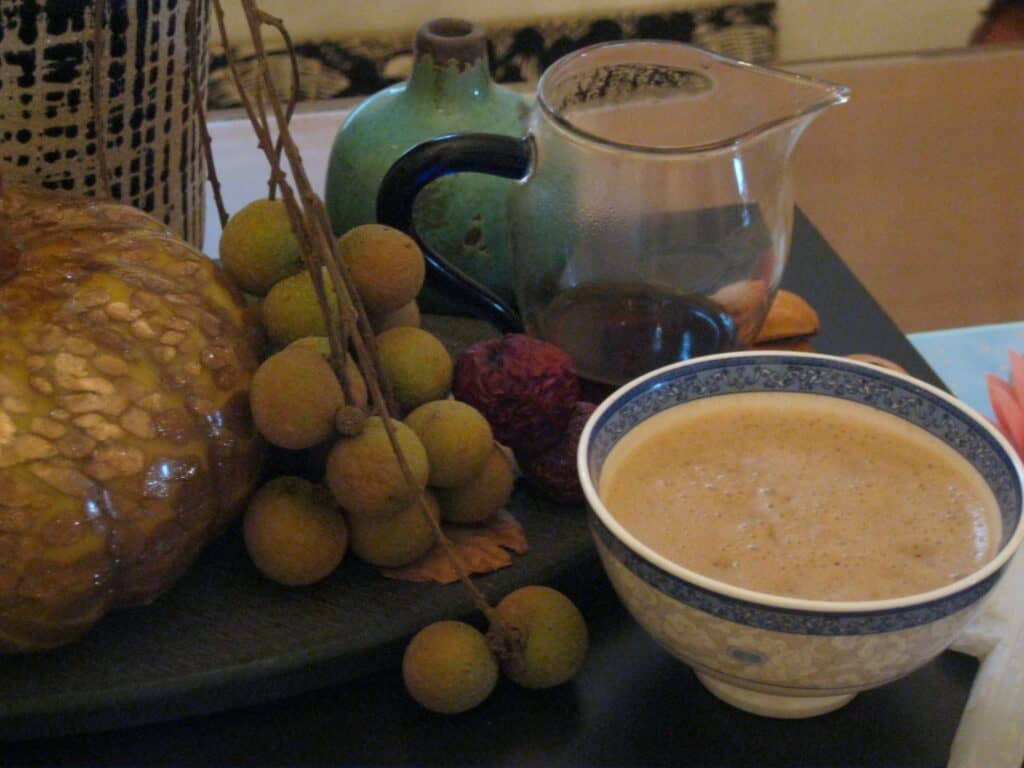
I start my mornings with milk tea—often called butter tea—inspired by its Tibetan origins. While popularized through additions like butter or MCT oil in coffee, this variation uses tea as its base. It’s a satisfying meal in itself, delivering energy through saturated fats, which offer sustained fuel throughout the morning. While many criticize saturated fat and cholesterol, that debate belongs to another time. For now, let’s keep the focus on the tea.
For several months, I paired my butter tea with sausage. Surprisingly, that combination triggered hunger much faster than butter tea on its own. When I drank it solo, I remained full and mentally sharp for four or five hours—a clear difference. At first, I assumed my body had simply built a tolerance, as tends to happen over time.
Then, for no specific reason, I went back to butter tea alone last week—and have continued ever since. Right away, I noticed the return of that original clarity, energy, and appetite control. It got me thinking: what caused the diminished effect when sausage entered the picture?
Cue a recent study exploring what some call the “sugar diet”—a trending approach where participants surprisingly lost weight while increasing sugar intake. While weight loss is just one marker of health, the findings might help decode why butter tea worked better on its own. Of course, my goal isn’t weight loss. I drink butter tea to boost fat consumption and counter oxalates, similar to the way spanakopita combines fat with oxalate-rich greens.
The “sugar diet” boils down to a protein-restricted diet. One recent study showed that limiting protein while consuming a high-sugar intake led to weight loss. Although the study didn’t track fat intake, it likely remained low. Curiously, these favorable results mirror those found in carbohydrate-restricted diets. If both data sets hold water, they suggest an intriguing conclusion: restricting either carbs or protein can promote weight loss—but doing both invites entirely different metabolic consequences.
This idea isn’t new. For decades, food combining philosophies have warned against consuming carbohydrates and proteins in the same meal. Digestive enzymes for each macronutrient differ significantly, and they function best at different pH levels. Protein digestion thrives in a far more acidic environment than carbs. When both arrive in the gut simultaneously, they may confuse the digestive system, compromising the breakdown of each.
Consider butter tea. Its staying power as a fat-fueled carb drink seems to last far longer when consumed on its own. When I added sausage—a protein—the hunger-suppressing effect vanished. This observation echoes the sugar diet findings, at least if satiety serves as a reliable indicator.
Studies often overlook fat as a variable. Research on protein and carbs rarely controls for dietary fat, and studies on fat often neglect macronutrient pairing altogether. Butter tea operates differently. Most of its calories come from fat, with only trace carbohydrates from milk or dried fruit. Tea itself barely contributes carbs. From my N=1 experience, this carb-fat combination delivers powerful hunger control and a noticeable mental lift—without the need for protein. Since I kept caffeine constant, I can’t pin the boost on that alone, though it’s worth exploring whether caffeine interacts differently in the presence of protein. Perhaps others have also noticed that caffeine hits harder when not paired with protein-heavy meals.
Of course, tea’s molecular complexity introduces a host of other variables, many beyond the scope of this reflection. But in the case of butter tea, fat—not caffeine—serves as the principal energy source. Puerh tea in particular tends to stimulate hunger when consumed alone. Interestingly, traditional knowledge holds that ripe Puerh tea helps the body metabolize fat. That might explain some of its remarkable effects on hunger when paired strategically with fat-rich ingredients.
Make your Butter Tea with Puerh Espresso: simply and hasten the process.