
Jingmai 003: A 20-Year Journey into Nuanced Puerh Sophistication
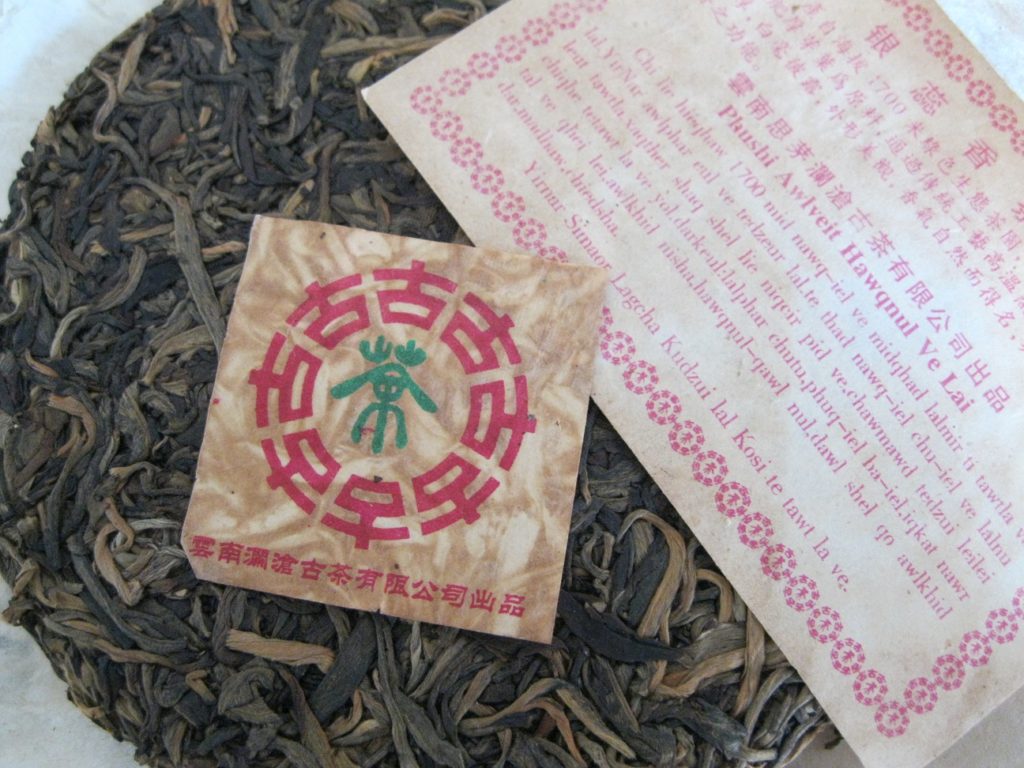
Jingmai puerh often suffers from reductive praise—its floral and fruity traits pigeonholed as “beginner-friendly,” greeted with a cutesy acclaim like a toddler’s first steps. But Jingmai 003 (JM003) defies such simplifications, offering a top-shelf experience that rewards seasoned drinkers and curious explorers alike.
🧭 Micro-Terroir and Material Specifics
While Jingmai’s reputation leans toward the accessible, JM003 showcases the region’s deeper potential. Its profile is shaped by:
- Shengtai gardens (unsprayed, natural growth)
- High-altitude material (1700m—unusually elevated for Jingmai)
- Tree age and processing style reflecting old-school sensibilities
These factors contribute to a layered experience that transcends the “floral-fruity” stereotype.
📦 Size Variants and Material Differences
JM003 appears in at least two sizes: 125g and 357g. But they’re not interchangeable:
| Version | Year | Composition | Notes |
|---|---|---|---|
| 125g | 2005 | Mostly silver buds | Silver needle-like, light melon, no tippy aggression |
| 357g | 2007 | Much lower silver bud ratio | Pricing suggests closer kinship to ’07 than ’05 125g |
The 125g version, in particular, opens with silver needle elegance and transforms over time into something far more resolute.
🌄 Transformation and Longevity
Now 20 years old (as of summer 2025), JM003 impresses with:
- Longevity: At least 13 infusions; any bottoming out give it a rest for a few hours or even till the next day
- Mouthfeel: Voluminous, slick, sustained
- Sweetness: Balanced by a sharp, bitter edge—classic Jingmai embracing the ethos of revolution
Bitterness here isn’t a flaw—it’s a philosophical statement. Sweetness is earned, not given.
🍵 Flavor Evolution: From Youth to Maturity
Gone are the silver needle traits. In their place:
- Naka-like cucumber
- Black pepper
- Sweet chaparral grasses
- Cotton candy accents
JM003 doesn’t just age—it evolves. It’s a Jingmai that raises gustatory eyebrows and deepens appreciation for the region’s terroir.
