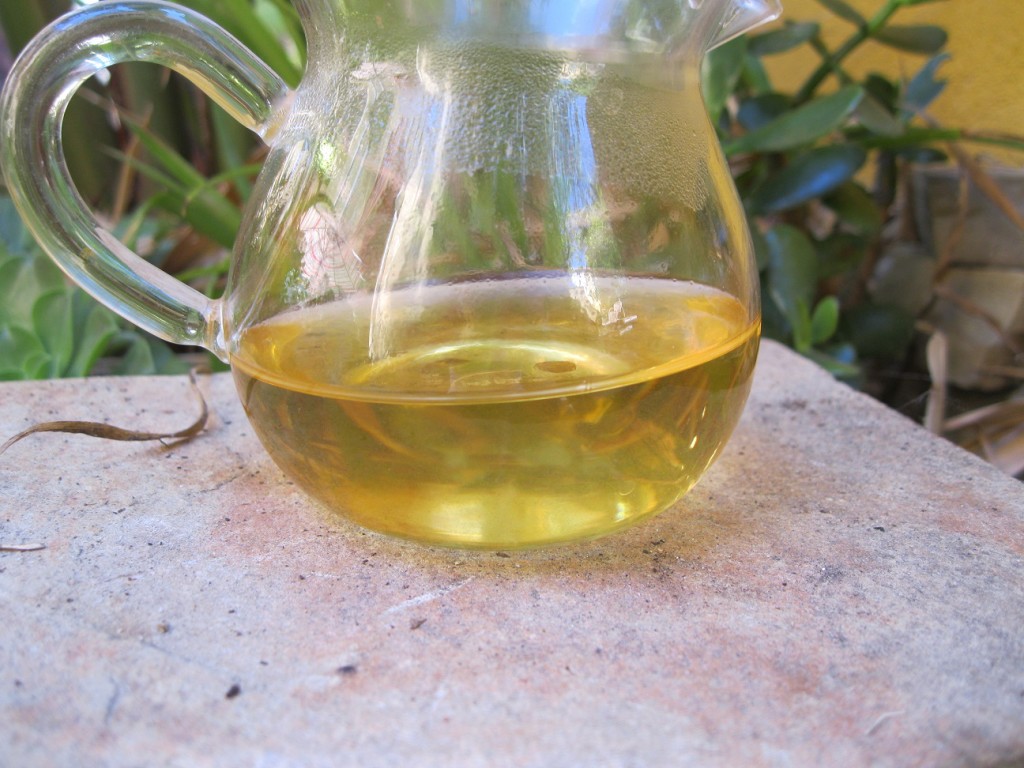
Pu erh Tea and Coconut Oil
This weekend I was at an event where I met an attorney who knew about pu erh tea from an internet personality who mixes coconut oil and grass-fed butter to his morning brew. I doubted that the personality of whom he spoke was Tibetan or Mongol, but my mind instantly thought of the pastoralists of western China. I also thought of the dude who promotes “Bullet-proof Coffee,” someone who also boosts his morning beverage with fats from coconut and palm oils. Finally, I thought of Western-Price, the Canadian-born Harvard-trained dentist who conducted a global study in the 30s on the relationship of diet to dental health and concluded that animal fats play a central role in health. Continue reading
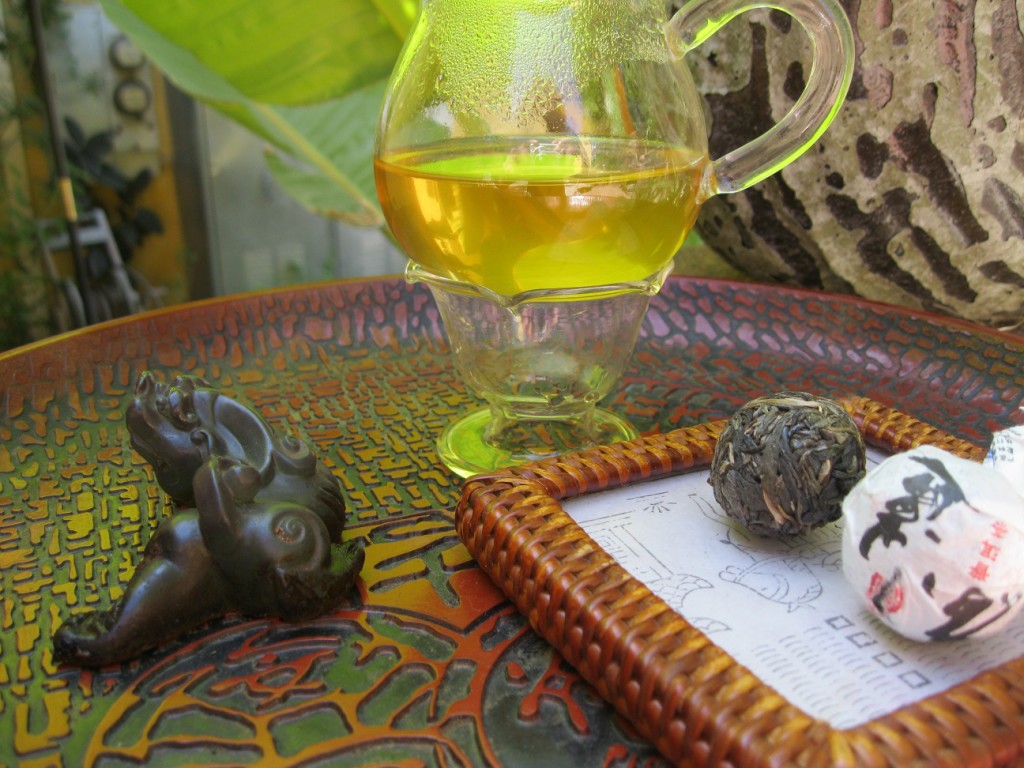
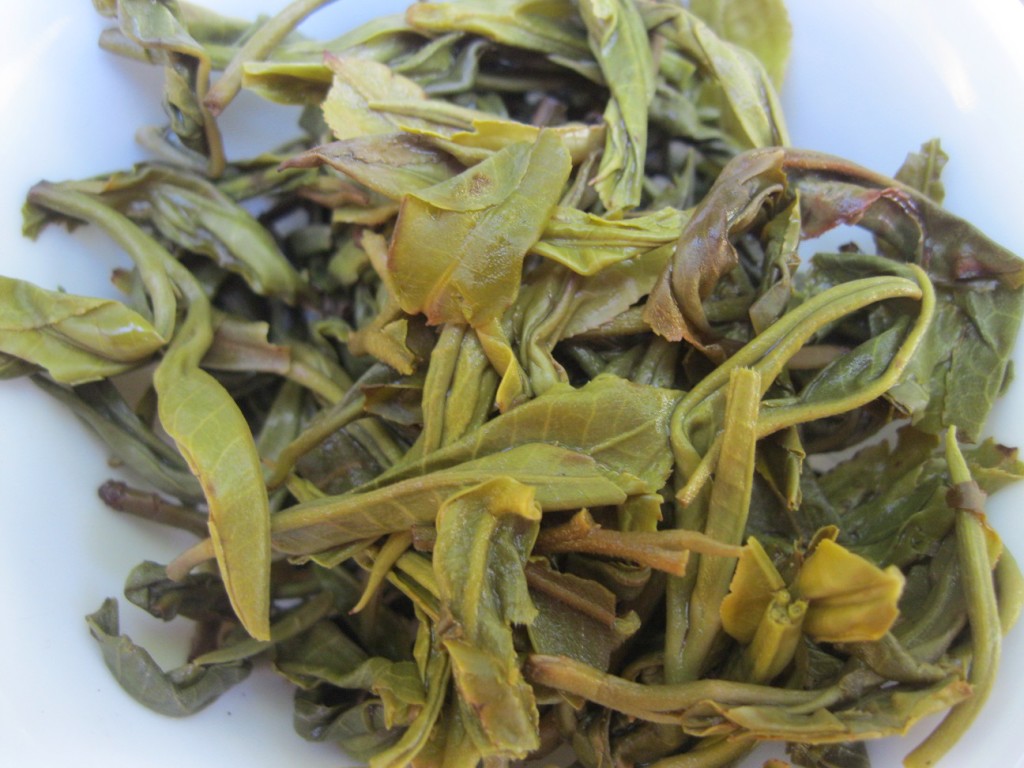
 Health Benefits of Pu erh Tea are well recognized in China but are only slightly known in the English-speaking world. Generally, pu erh is a tea category specific to the Yunnan large-leaf variety of Camellia sinesis. There are two broad categories of pu erh, raw and ripe. It is usually the ripe type that garners most attention for its health imparting properties, while the raw type is a favorite among collectors and tea enthusiasts. Chinese understanding of pu erh’s benefits is largely based on the principles of Chinese medicine. Where necessary, further explanation of these principles will be provided in the discussion below.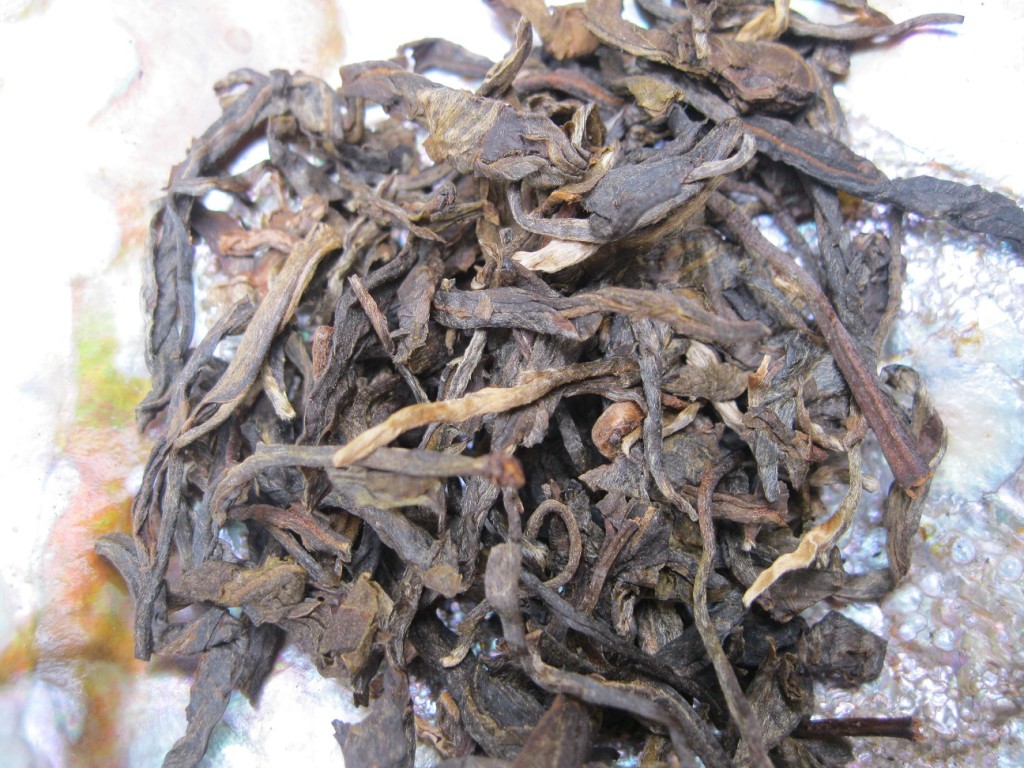
 Pu erh tea came to its name over time, becoming a synonymous reference for the place where it was sold, but what is pu erh tea. It is comprised of indigenous large-leaf material that is sun-dried and processed in one of two ways. There is raw pu erh which is the untreated form, and there is the ripe which processed. In terms of form either can come loose or pressed into various forms. After formation, the tea continues to undergo the process of natural aging, which gives it its distinction as being better with age. Along with ripe pu erh, there are other Chinese black teas produced in Guangxi, Hunan, Hubei, and Shaanxi Proviences. Only pu erh, however, is made from the large-leaf variety Camellia sinesis. Ripe pu erh tea is classified as black tea. Sometimes it is called “dark tea,” because black tea in the West refers to an entirely different variety. The stuff called black tea in the West is oxidized. Black tea in China is fermented, sometimes called “post-oxidized” in the West.