
Developments with 2012 ’07 Material Puerh
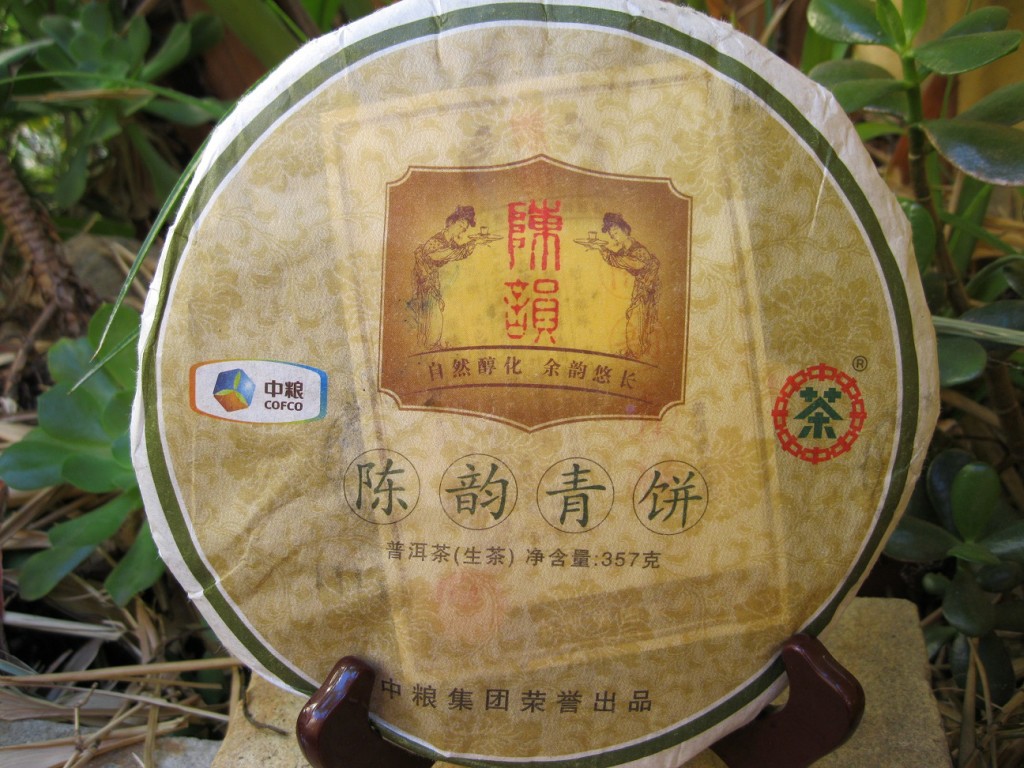
The ’12 ’07 Material is a study in the aging process. This production is still about five years away from what I’d consider to be in the zone of excellent tasting. Though this puerh cake is comprised of material from ’07, it more resembles its year of production. Let me relate some of my most recent findings below.
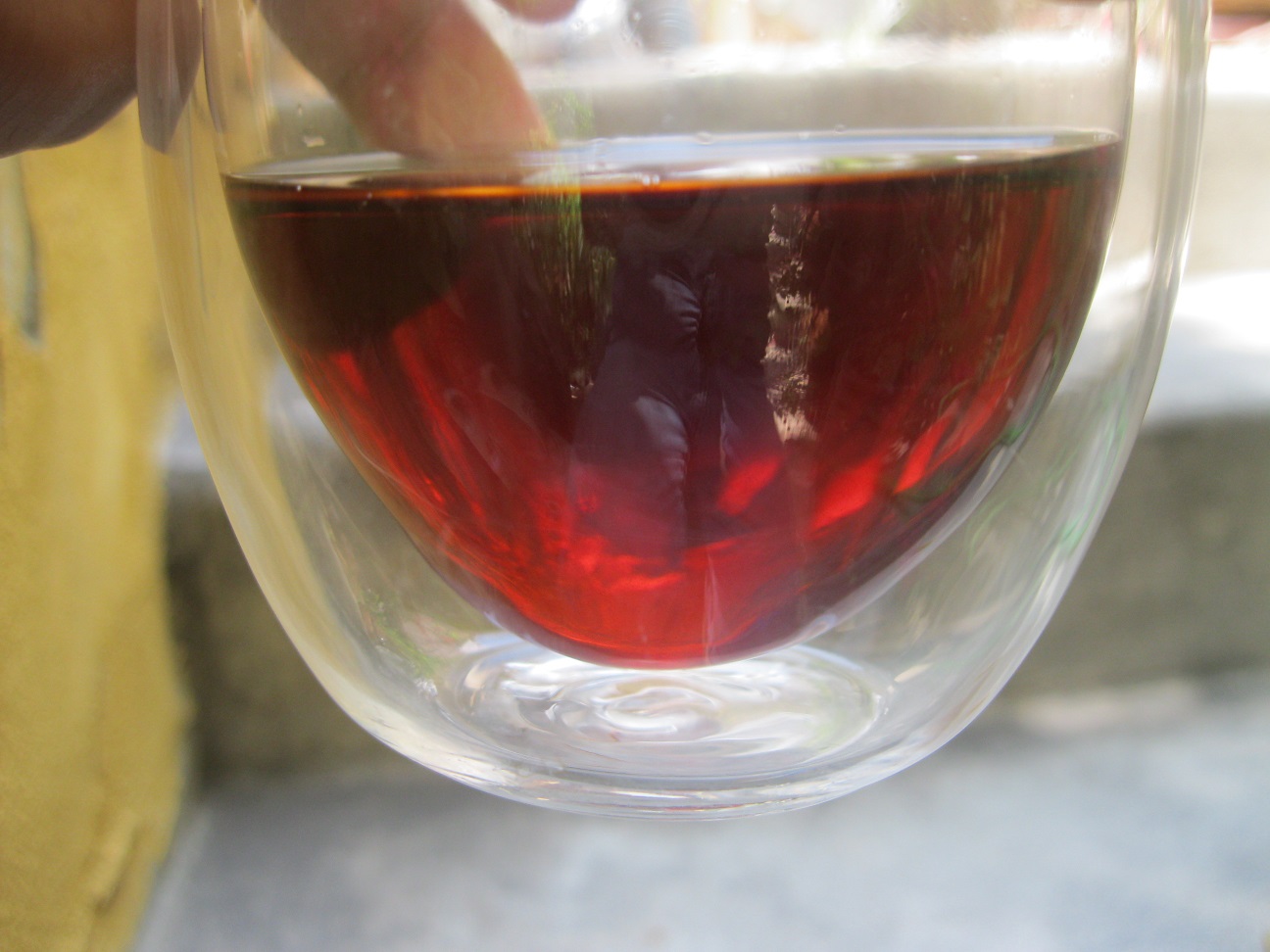
First, the high camphor notes have not faded. They may have even increased. Camphor is evident in the liquor, lending to a medicinal quality. The aftertaste is not just cooling; it’s frigid.
Second is richness. Previous sessions only lent themselves to about two rich infusions. Now it is about four.
Third is from floral to fruity. There were some intensely tropical fruity notes on day two of the sample visited. I mean intense like the 11 Fruit Monster without the smoke. This is a surprising development, as tutti-frutti is not a taste I’ve encountered in KMTF productions. Usually the fruit taste is of stone fruit, but this one has a musky, tropical vibe.
Overall, the ’07 Material presents a different type of young from most that are too rough for drinking. This isn’t rough, and the high-pitched camphor notes have certainly not waned and may be becoming even more pronounced. However, time has shown that there is much depth and richness to be expressed. I’m at a stage now where “I get it” to the extent that I don’t feel it necessary to revisit this at the earliest a year from now.
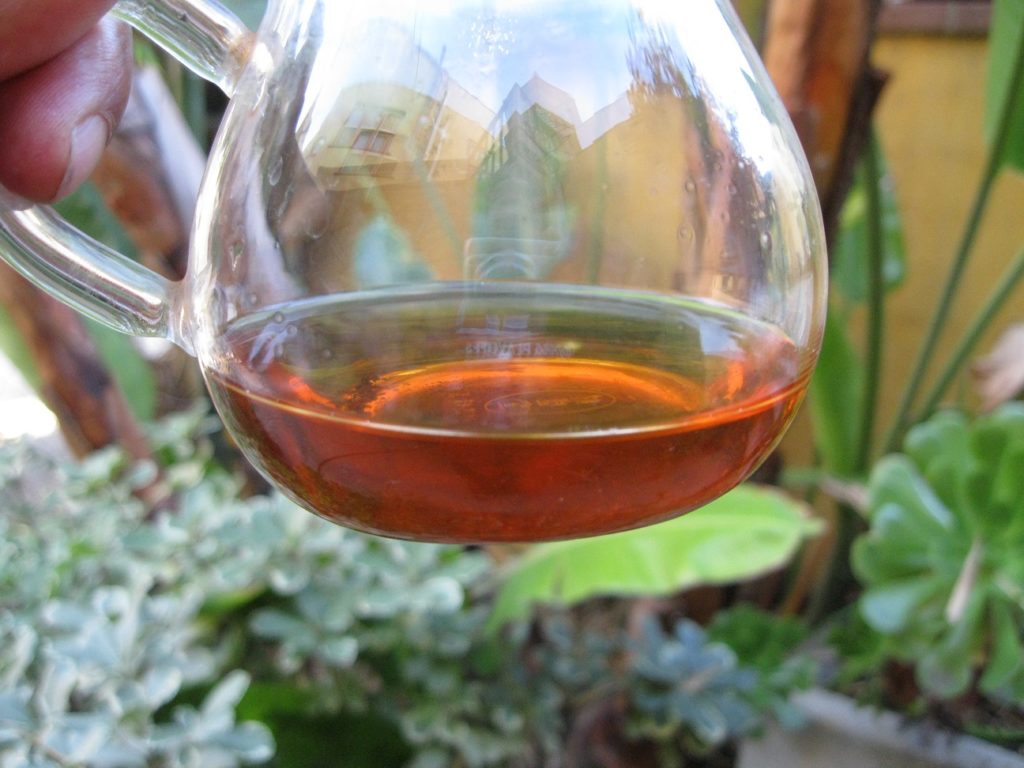
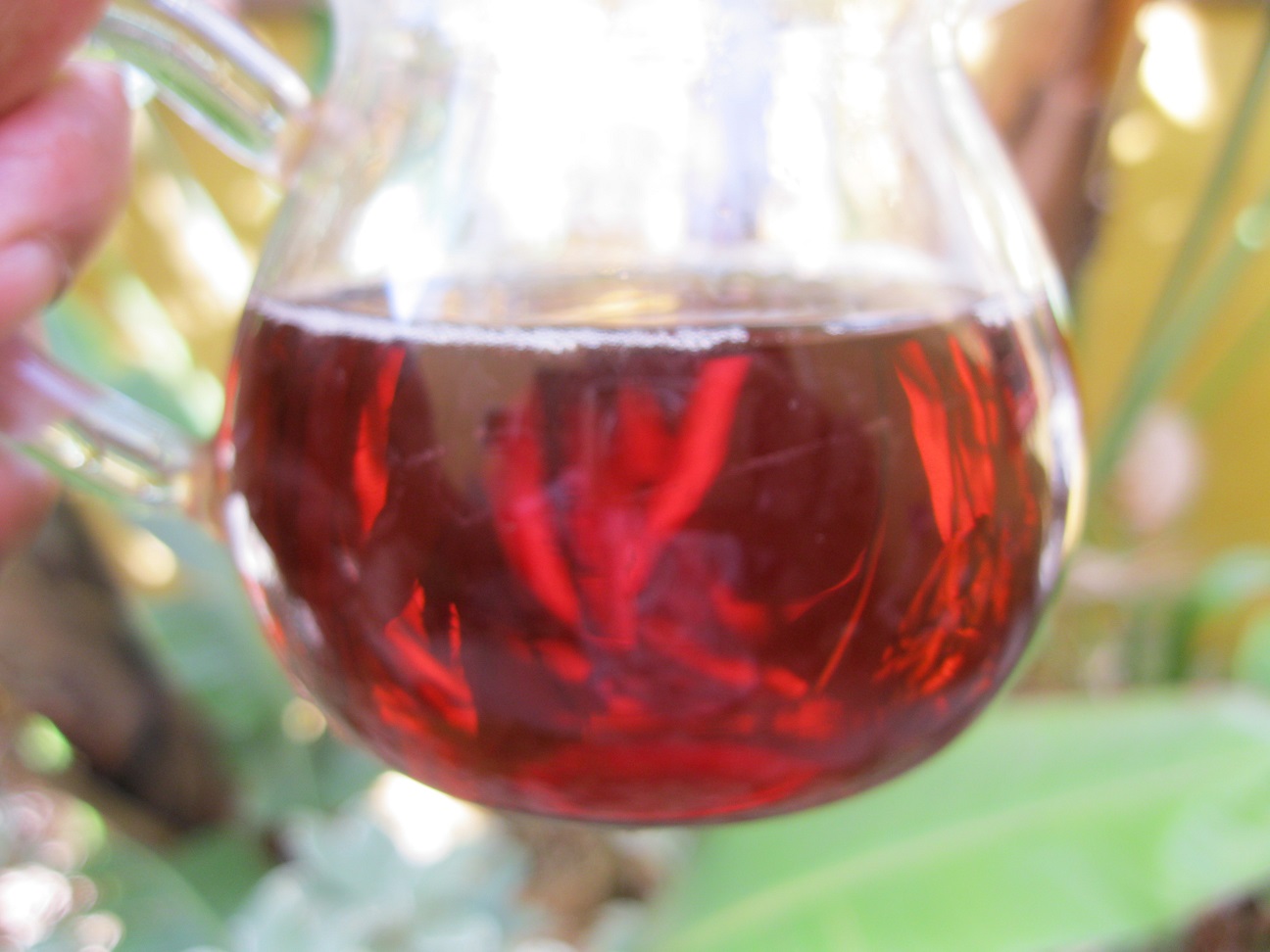


 Anyone interested in topping the notch to their personal puerh collection is certainly interested in like knowing what the top 10 pu erh brands in China are. Of course, depending upon where one queries there will be quite a bit of difference in the results. Below, the findings are discussed.
 Most people have never heard of pu erh tea, and those who have are left wondering what is pu erh tea and what makes it special. It’s all in the fermentation, at least as far as ripe pu erh is concerned. For starters, pu erh is comprised of two types: raw and ripe. Raw is the unfermented type, whereas ripe is fermented. Aging is an important aspect of pu erh tea. It is far more important for the raw type than the ripe, though even ripe will improve with age… normally. Aging is a feature unique to pu erh. In China, pu erh is actually an investment. There is even a pu erh futures vehicle offered by a Shanghai investment firm. Most if not all investment centers around raw pu erh and the particular famous brands which produce them.